
 英語
英語 中文简体
中文简体Gravure Printing Machine for Wood-Based Panel Finishing Materials: What Every Buyer Should Know
What Is a Gravure Printing Machine for Wood-Based Panel Finishing Materials
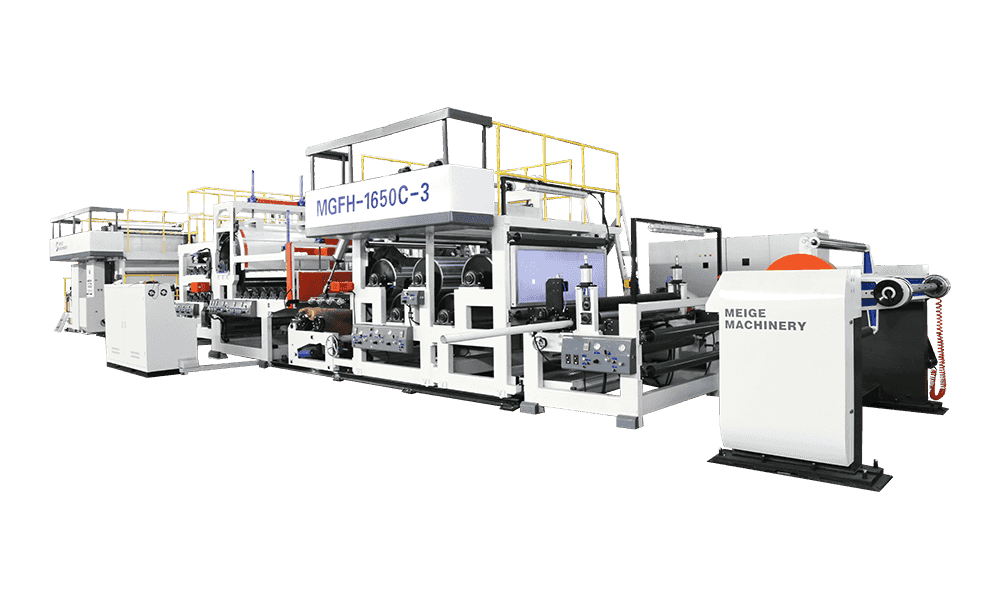
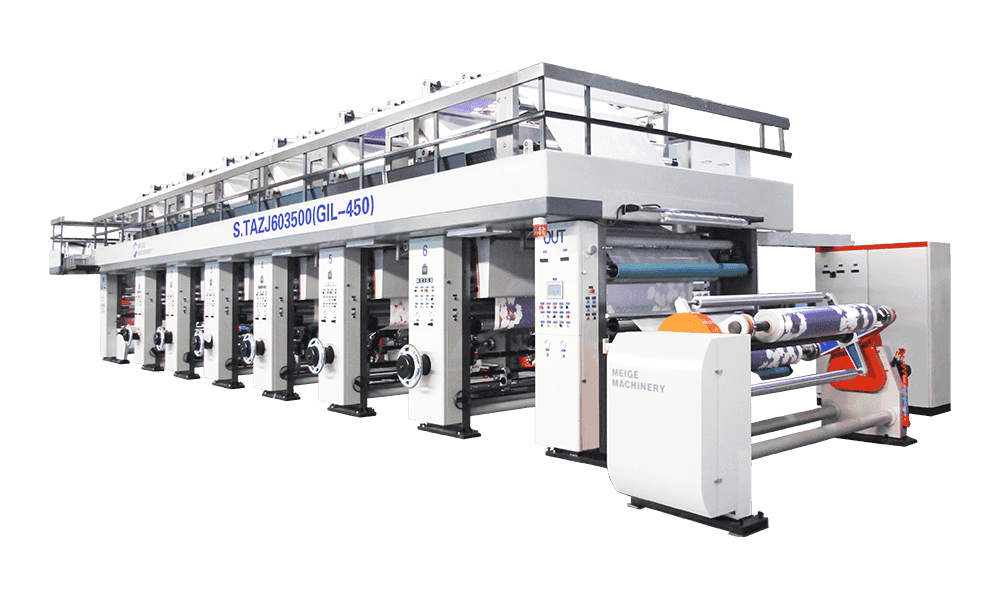
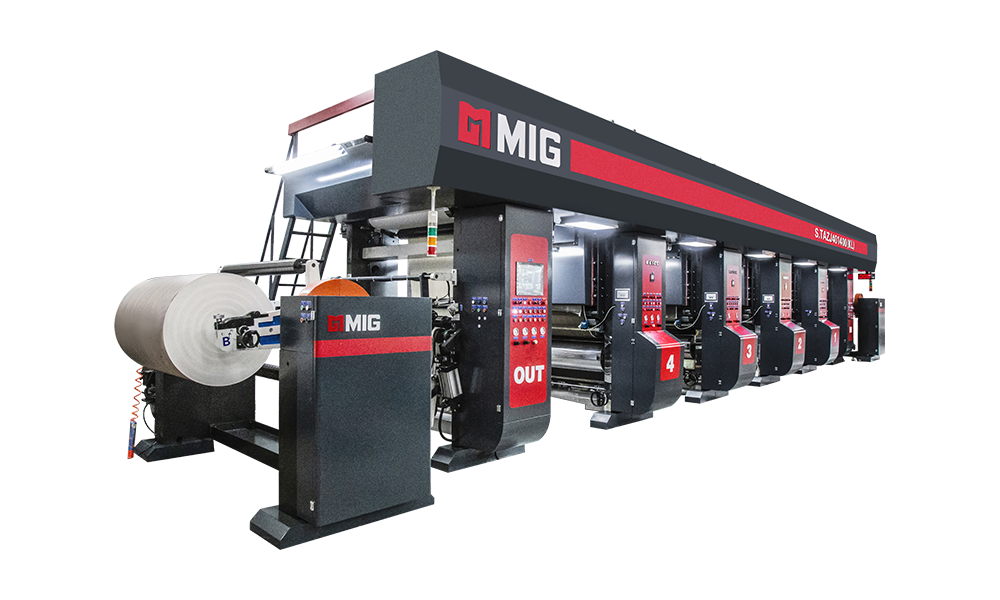
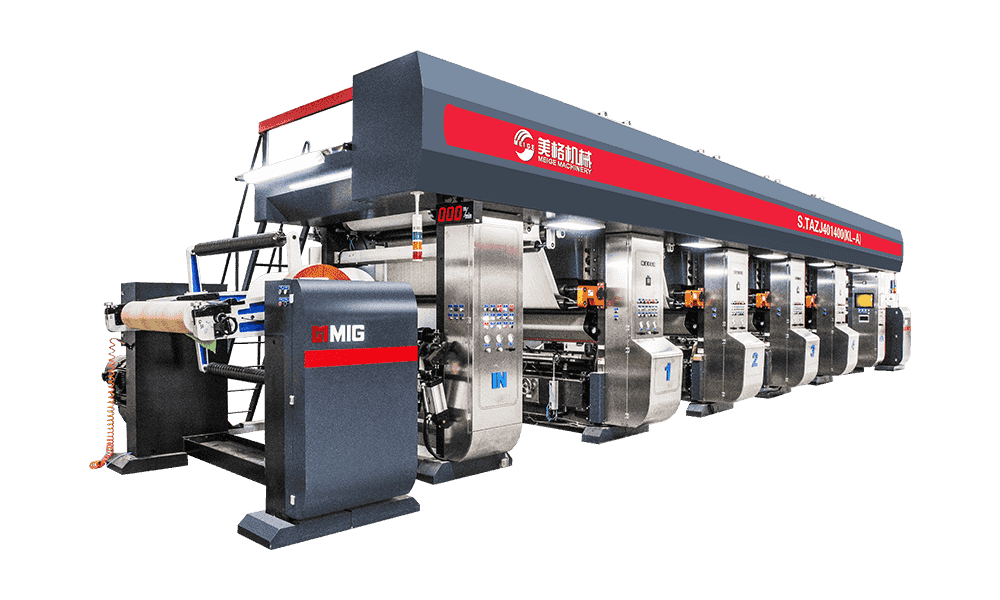
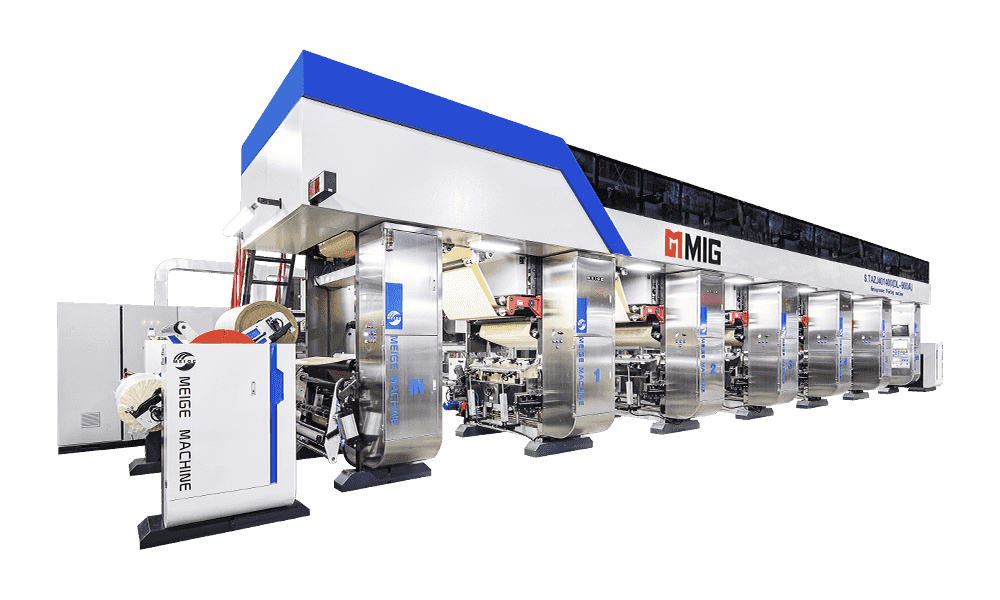
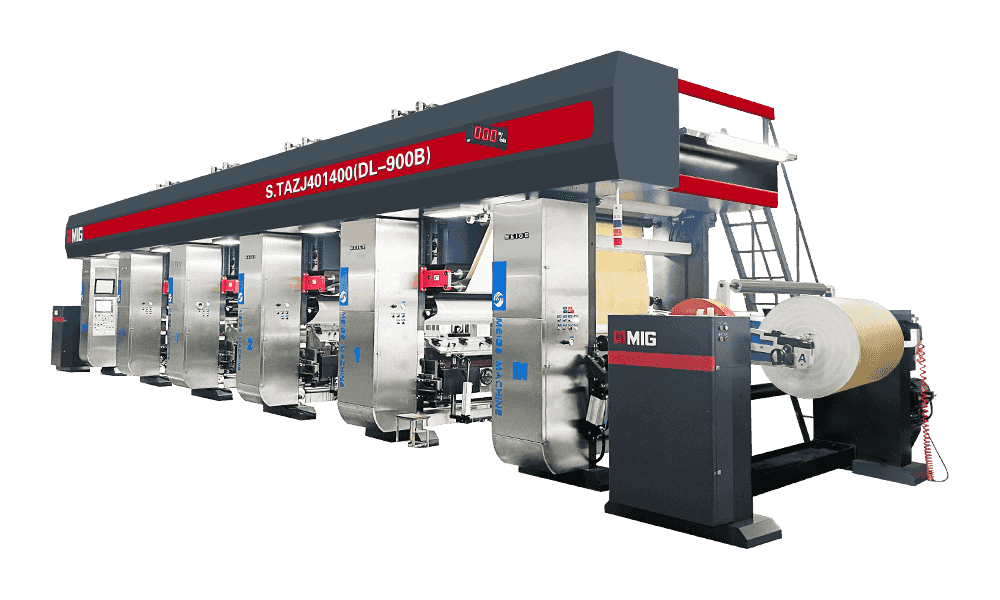
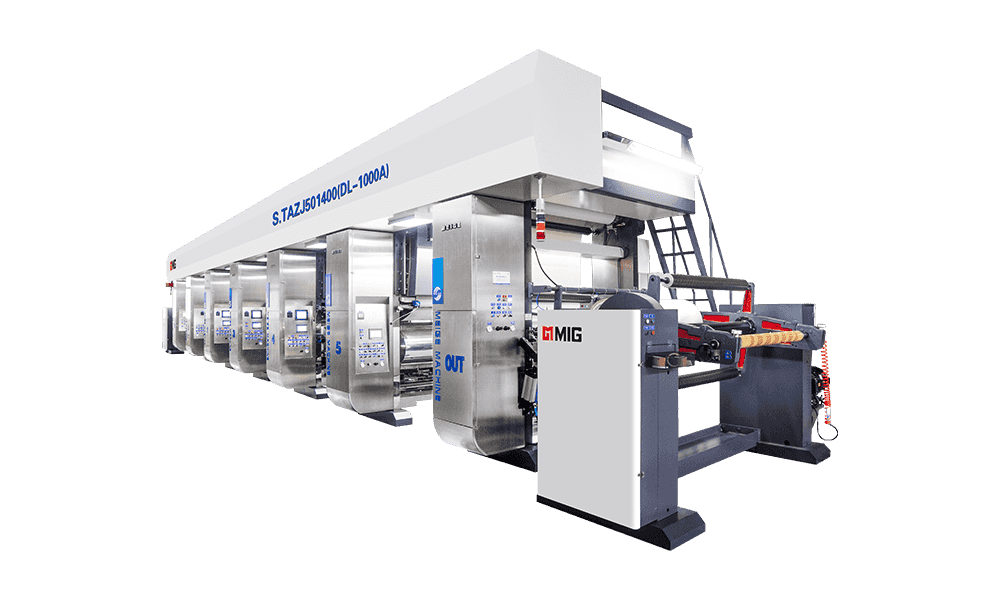
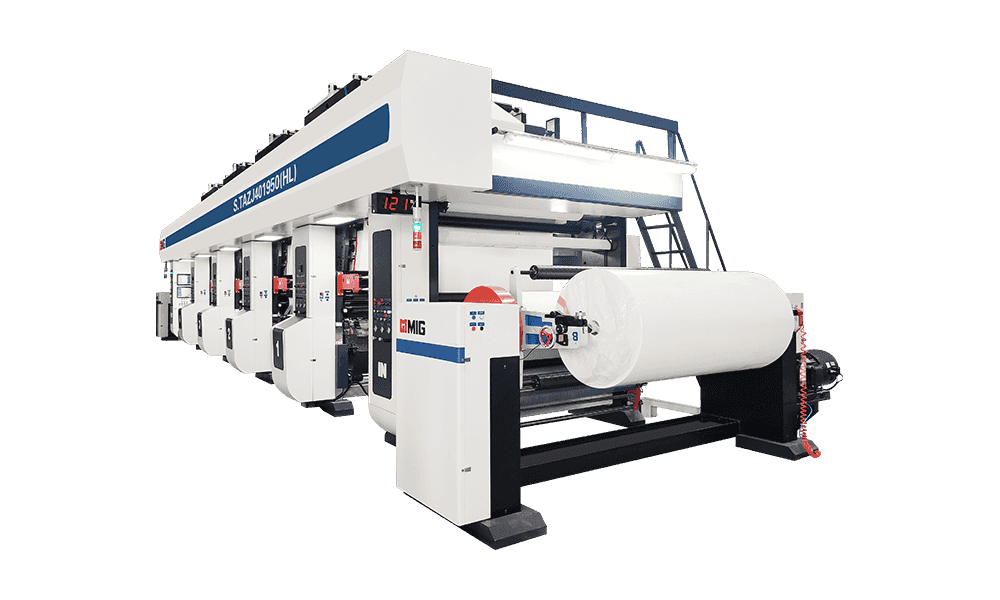
A gravure printing machine for wood-based panel finishing materials is specialized production equipment used to transfer decorative patterns, wood-grain textures, and color designs onto the surface materials that later cover MDF, particleboard, plywood, and HDF panels. Rather than printing directly onto the panel itself, most of these machines print onto paper, film, or foil rolls that are later laminated onto the board surface. This is why the equipment is often called a decorative paper gravure printing machine or a wood-grain film printing line, depending on the substrate being processed. The core function remains the same: engraved cylinders carry ink into recessed cells and deposit it precisely onto a moving web of material, producing sharp, consistent, and repeatable patterns at high speed.
These machines are widely used by manufacturers who supply the furniture, flooring, cabinetry, and interior decoration industries, since gravure printing offers the fine detail and color depth needed to imitate natural wood grain, stone textures, and other decorative finishes at a fraction of the cost of using real materials.
How the Gravure Printing Process Works on Panel Finishing Materials
The gravure printing process begins with an engraved copper or chrome-plated cylinder, where the pattern is etched as thousands of tiny cells of varying depth. As the cylinder rotates through an ink bath, excess ink is scraped off by a doctor blade, leaving ink only inside the engraved cells. The substrate, typically decorative base paper, PVC film, or melamine-impregnated paper, passes between this cylinder and a rubber-covered impression roller, which presses the material against the cylinder so the ink transfers cleanly.
Main Stages of the Printing Cycle
- Unwinding: the raw paper or film roll is fed into the machine under controlled tension
- Multi-color printing: the web passes through several print stations, each applying one color layer
- Drying: hot-air or infrared dryers between stations set each ink layer before the next is applied
- Rewinding: the finished printed material is wound into rolls ready for lamination onto panels
Because each color requires its own engraved cylinder, wood-grain patterns with realistic shading typically use anywhere from four to eight print stations, allowing the machine to layer base tones, grain lines, highlights, and shadow details into a convincing natural texture.
Key Components of a Gravure Printing Machine for Panel Finishing
Understanding the main components helps buyers evaluate machine quality and compare specifications from different suppliers.
| Component | Function |
| Engraved Cylinders | Hold the printed pattern; determine resolution and repeat length |
| Doctor Blade System | Removes excess ink from cylinder surface for clean transfer |
| Impression Roller | Presses substrate against cylinder for ink transfer |
| Drying Units | Sets ink between color stations to prevent smearing |
| Tension Control System | Keeps the web flat and aligned to avoid registration errors |
| Unwind/Rewind Stations | Handle raw material feed and finished roll collection |
Registration accuracy between color stations is one of the most important quality indicators, since even slight misalignment will blur fine wood-grain lines and make the final panel surface look unnatural.
Wood-Based Panel Finishing Materials Suited for Gravure Printing
Not every decorative surface material behaves the same way under a gravure printing machine. The substrate's absorbency, thickness, and flexibility all affect ink adhesion and final print clarity.
Common Substrates Processed
- Decorative base paper used for melamine-faced boards
- PVC film for wrapping profiles and edge banding
- PP and PE films for laminate flooring surfaces
- Impregnated overlay paper for high-pressure laminate
- Foil materials for cabinet and furniture wrapping
Each material requires slightly different ink chemistry, drying temperature, and cylinder pressure settings, so a versatile gravure printing machine should allow operators to adjust these parameters without major mechanical changeovers.

Advantages of Using Gravure Printing for Panel Decoration
Manufacturers continue to choose gravure printing technology over alternative decoration methods for several practical reasons tied to cost, speed, and appearance quality.
- High-speed output suitable for large-volume panel production lines
- Sharp, detailed reproduction of wood grain and texture patterns
- Consistent color and pattern repeatability across long production runs
- Lower per-unit cost once cylinders are engraved, compared to digital printing at scale
- Compatibility with a wide range of paper, film, and foil substrates
The main tradeoff is setup cost, since engraving new cylinders for each design pattern requires upfront investment. This makes gravure printing most economical for manufacturers running the same wood-grain or stone-effect patterns in large, repeated batches rather than frequently changing designs.
Choosing the Right Gravure Printing Machine: Key Factors
Selecting equipment that matches production needs prevents both overspending on unnecessary capacity and underinvesting in features that limit future growth.
Factors Worth Evaluating Before Purchase
- Number of print stations needed for the color complexity of target designs
- Maximum web width and roll diameter to match panel dimensions
- Running speed and how it affects daily output targets
- Drying system capacity for the specific ink types being used
- Availability of automatic registration control for multi-color alignment
- After-sales support, spare parts availability, and cylinder engraving services
Buyers should also request sample printed rolls from suppliers before committing, since visual quality and color accuracy often vary more between manufacturers than the listed technical specifications suggest.
Maintenance Tips to Keep Print Quality Consistent
Routine maintenance directly affects how long a gravure printing machine produces clean, defect-free output. Neglected cylinders and worn blades are the most common causes of streaking, color drift, and pattern misregistration on finished panel materials.
- Clean cylinders thoroughly after each production run to prevent dried ink buildup in engraved cells
- Inspect and replace doctor blades regularly, since worn edges leave uneven ink deposits
- Check tension rollers and bearings to avoid web wrinkling or misalignment
- Calibrate drying temperatures for each substrate type to avoid under-curing or scorching
- Store engraved cylinders properly when not in use to prevent surface scratches or corrosion
Following a documented maintenance schedule not only preserves print quality but also extends the operational life of the machine, reducing unplanned downtime on panel finishing production lines.

おすすめ商品
世界各地の開発ニーズに応える多彩なモデル。
今すぐメッセージを送ってください!
製品
お問い合わせ
- Phone: +86-13067738802 (Manager Hua)
- Tel: +86-0571-61071715
- Fax: +86-0571-61071706
- Mail: [email protected]
- Add: 浙江省杭州市臨安区金城街青科村五家頭32号

Copyright © 浙江美格機械有限公司 All rights reserved.
 プライバシー